The most recent measles outbreak in California speaks for itself. An estimated 839 people were put at risk, including 2 babies too young to be immunized, all because of an ignorant decision by the parents of a 7-year-old boy. Measles can be fatal, and prior to introduction of the vaccine, over 500 children died each year of the disease. Numerous outbreaks of mumps and rubella have been recorded in the US, UK and throughout Europe.
With so much positive evidence for vaccine, there are still those calling it "a hoax", like the editor of Natural News. I'll present and refute his claims here.
Vaccines may actually increase your risk of disease. Notice that far more vaccinated children were stricken with mumps than non-vaccinated children? This is simply wrong. Vaccines do not increase your risk of disease. There are more vaccinated children than unvaccinated children. The article claims that 77 percent of people that caught mumps were vaccinated. The goal for vaccination is 95%, but the number is steady around 90%. If "catching" the disease (and reporting to the doctor to be counted) was decided by chance, then 90% of those that had mumps during the outbreak would be vaccinated. So why is the number only 77 percent? For a case to be reported, those stricken with disease have to go to the doctor for diagnosis. Since mumps doesn't select its victims based on vaccination, we can conclude that the symptoms the other 23% vaccinated had were too mild for them to seek medical help. So the vaccine does work, decreasing the severity of disease.
Children should have chicken pox/mumps/measles so they don't get sick later. Yes, that does make your immune system stronger because it now knows specific antibodies to make for the specific disease. The vaccine teaches the body the same thing, but skips the part where the kid has to be sick. Getting the same disease as an adult, however, is more dangerous, especially during pregnancy.
You can still get the disease, so the vaccine doesn't "protect" you. The vaccine is not meant to "protect" you from actually being exposed to the bacteria causing the disease. It's not going to put a plastic shield or a film of slime around you. The vaccine teaches your body to recognize the specific intruder and quickly make antibodies to fight it. You can still get the disease, you will just recover much more quickly than someone without the shots.
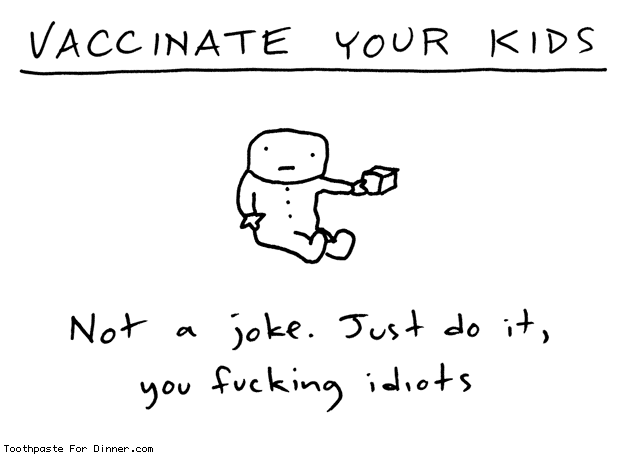
Toothpaste for dinner has put it in layman's terms:

No comments:
Post a Comment